
- Consolidated company policies and standard forms, and optimized 20+ operational procedures.
- Deployed specialists in process improvement and resource integration, lifting back-office efficiency by 30% and increasing employees' core working time by 30%.
- Managed full financial and accounting operations, completing monthly, quarterly, and annual audits and board administration.
- Supported talent management from recruitment onward, cutting turnover by 2%.
"Whether you have one person, five, ten, or fifty — once the organization exists, every function has to be ready. People, finance, legal, marketing, communications, all of it."
Joyce Yang, Director of Corporate Operations Services at WeNET, cuts straight to a problem almost every young organization runs into.
In over a decade building operational systems for companies and nonprofits, Joyce has seen the same pattern: founders are experts in their field, rarely in running an organization. "A founder might be a developer, a marketing pro, or — like me — an HR person starting an HR firm. But once the company exists, you can't just do your specialty; you also need finance, legal, office management, and more."
That gap is what ORS is built for: let clients focus on what they do best — product, service, mission — and leave operations to people who do it for a living.

A Decade of Partnership: Building Two Nonprofits' Operations from the Ground Up
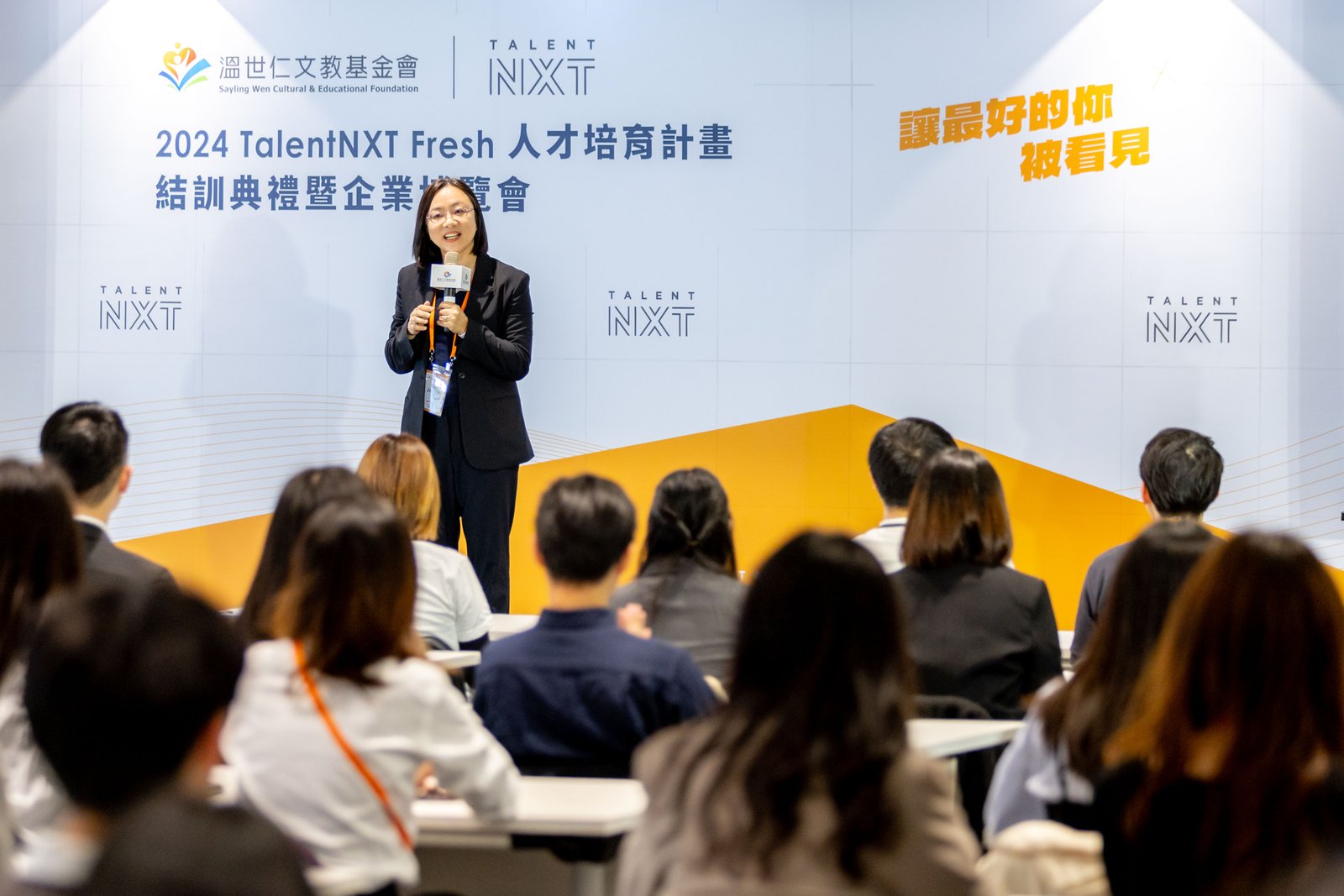
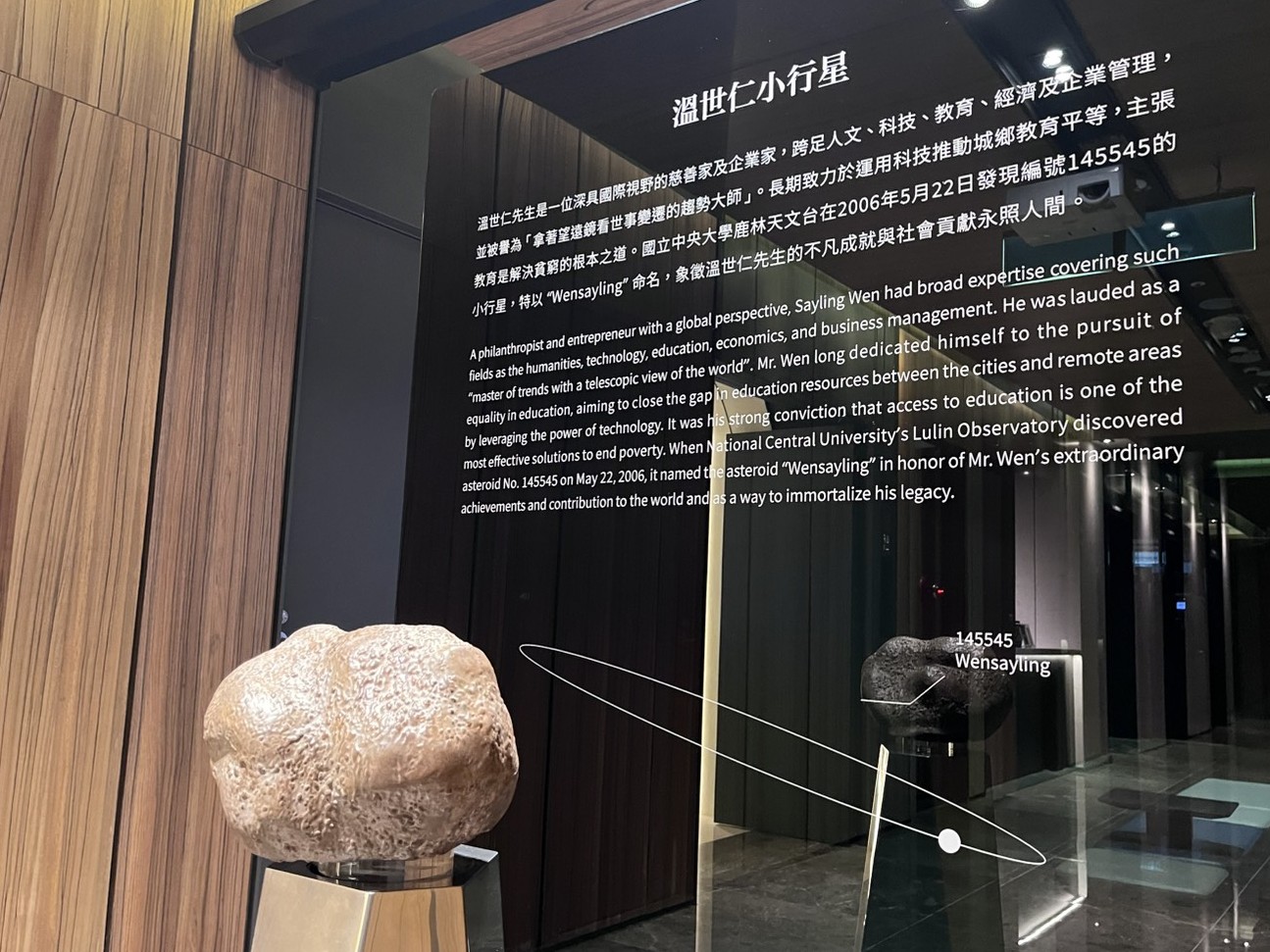
Two of WeNET's longest-running ORS partnerships tell the story: the iSee Taiwan Foundation, which discovers and promotes the distinctive character of Taiwan's regions, and the Sayling Wen Cultural & Educational Foundation, devoted to talent development and public service. Their missions could hardly be more different. The back-office realities they face are exactly the same.
"If no one looks after the back office, the organization can't stay focused on its mission — and eventually the mission suffers."
For Joyce, operations are the bedrock of stability. Founders assume the back office is simple; running one proves otherwise.
She remembers a friend whose employee quit with this line: "I was hired to build software, but every week I had to clean the restroom and take out the trash." Joyce sees it often: high turnover isn't always about pay. A small operational annoyance can signal deeper problems in management, culture, and employee experience.
The early days of the partnership weren't entirely smooth, she recalls. In one instance, a new WeNET staff member visited the chambers' office for a routine facility check. Because the staff member's face wasn't yet familiar, chamber employees couldn't identify who they were — leading to confusion: "Why is there suddenly a stranger in our office?" After that, WeNET began requiring its inspection staff to wear identification armbands.
That small fix led to a bigger one — a single point of contact. "Whatever the issue — IT, HR, admin — it all goes through one person," Joyce explains, no matter which functions a client has outsourced. Seven or eight years on, clients always know exactly who to call, and that one contact comes to know their needs inside out.
The lesson that stays with Joyce most is about invisibility. Early on, she believed the best support was the kind nobody noticed: "They should never have to think about what happens if the restroom's dirty or a light goes out." When people simply get on with their work, the service is working.
But invisible had a cost. "Over time, clients felt they were paying without seeing what we did — because nothing ever went wrong," she recalls. So WeNET began delivering regular service reports, itemizing every completed task, service record, and incident handled. It went further, defining formal Service Levels across HR, general affairs, and IT management — nearly 20 line items in all, each with its own acceptance criteria and frequency, from résumé screening and talent assessments to daily equipment checks and monitoring reports.
"The more complete the Service Levels became, the more our conversations landed on the same page," Joyce says.
The practice is now a core part of ORS — a way of showing clients that a stable back office is never something that just happens. Behind the quiet, there is a professional team standing firmly behind them.
Everything on the Menu: ORS Covers the Back Office End to End and Clients Pick What They Need.
Joyce's favorite analogy for ORS: "We lay out a full-course banquet, and clients pick the dishes they need."
The market has specialists — property managers, accountants, IT providers, HR consultancies — but ORS is a total solution covering operational management as a whole.
"Our model is flexible — fixed-price or by consulting hours, depending on scope." Different sizes and stages need different support, and ORS flexes with them.
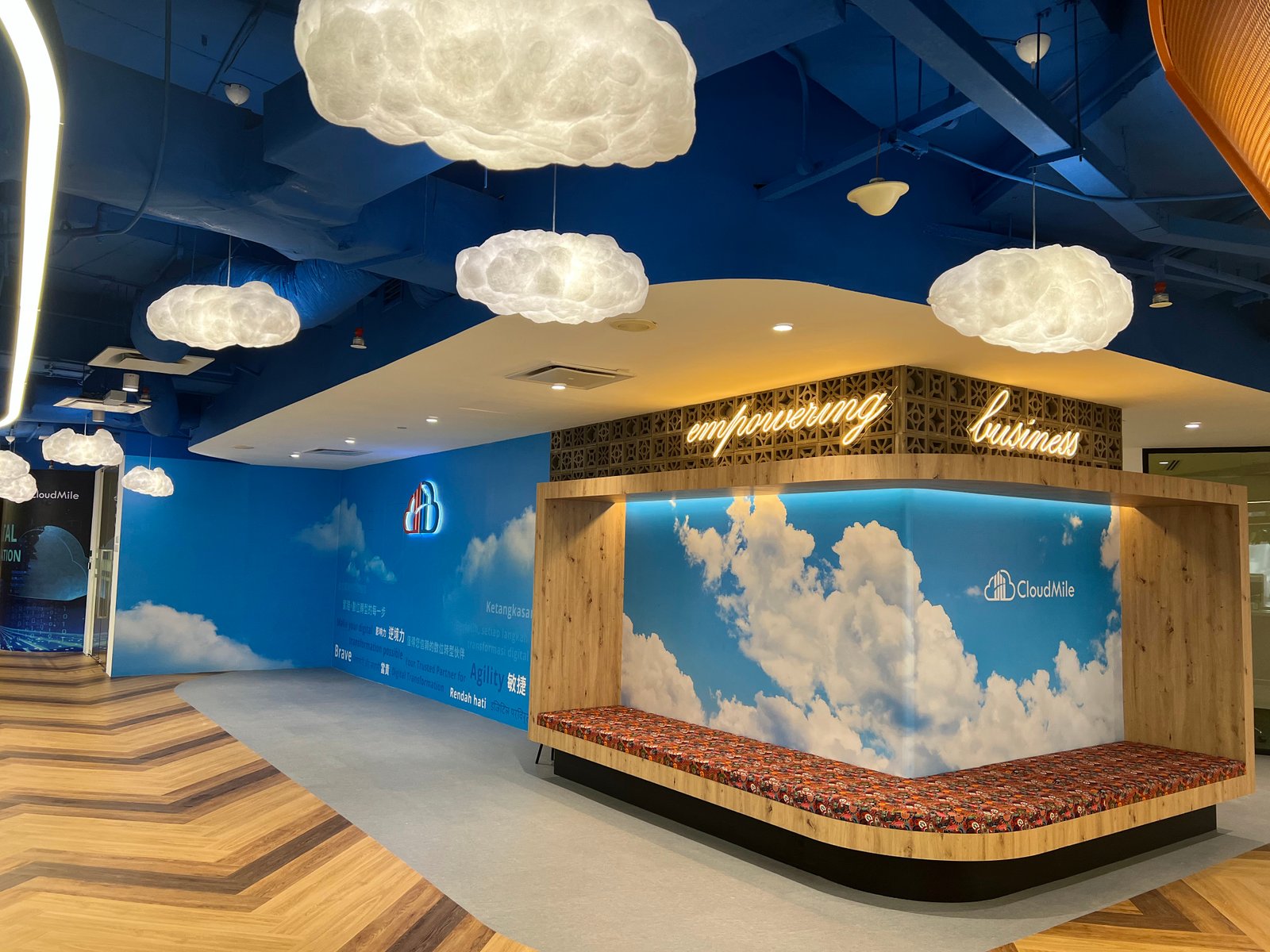
HR, for instance, is often project-based. "Companies like CloudMile and FUNNOW handed us their HR at specific stages." When FUNNOW Group expanded into Southeast Asia, WeNET's HR team ran cultural-integration training so regional employees could align with the Taiwan-born headquarters — and once done, the engagement had served its purpose.
Joyce sees organizations under 50 people as the best fit. "Startups should bring it in as early as possible." Early on, founders pour everything into product, growth, and customers, and operational systems get overlooked. "Left unmanaged, it turns chaotic fast — yet the startup phase is exactly when these foundations need building."
She adds: "If a founder's strength is R&D, HR, finance, and legal are where they'll slip. They should be free to grow the business, not distracted by operations or exposed to risk from neglecting them."
Over the years, WeNET has run ORS for organizations of every kind, lifting overall operational efficiency by 60%. And that is just the measurable part: the time and attention it takes to manage people and daily operations is far harder to count.
The same holds for nonprofits: with limited resources and mission-first priorities, outsourcing the non-core makes sense. "Many foundations now run on a more enterprise-like model, and non-core functions can be outsourced effectively," Joyce observes. Put the right people on the right work, aim scarce resources at the highest-impact tasks, and the organization grows on steadier ground.
"Let leaders focus on what they do best."
In a world that rewards efficiency and specialization, WeNET's decade-long partnerships prove a simple truth: good operational support isn't about being noticed — it's about building an environment where clients never wonder whether you're there at all.
Interviewee: Joyce Yang, Director of Corporate Operations Services